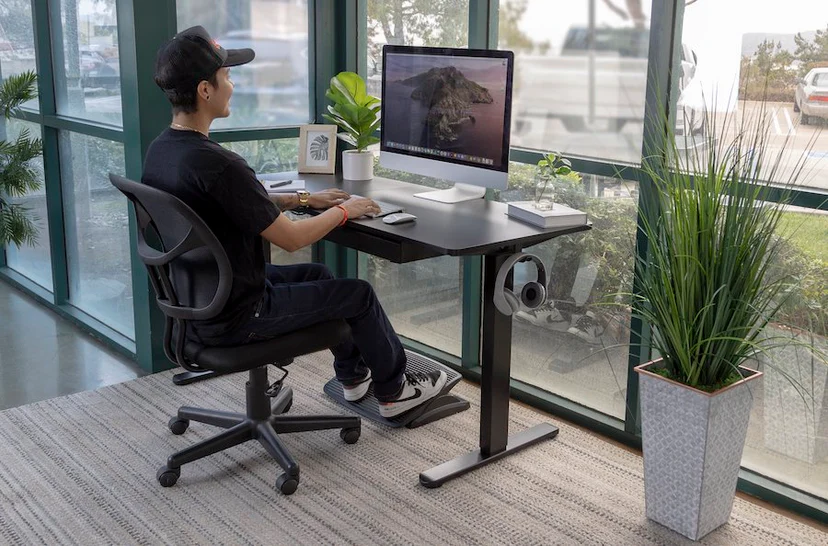
Choosing an ergonomic office chair is an important decision for anyone who spends significant time working at a desk. A well-designed chair can support comfort, improve posture, and help reduce the risk of discomfort associated with prolonged sitting. However, with so many options available, selecting the right chair requires more than simply choosing the most expensive model.
One of the most important features to consider is adjustability. An ergonomic chair should allow users to modify seat height, backrest angle, lumbar support, and armrest positioning. These adjustments help ensure the chair can be tailored to individual needs rather than forcing the user to adapt to a fixed design.
Lumbar support is particularly important because it helps maintain the natural curve of the lower back. Without adequate support, employees may be more likely to slouch, leading to increased pressure on the spine and surrounding muscles. Seat depth should also be considered to ensure proper support for the thighs while allowing comfortable movement.
Comfort and durability are equally important factors. Chairs should provide adequate cushioning while remaining supportive throughout the working day. High-quality materials and construction can help ensure long-term performance and reliability.
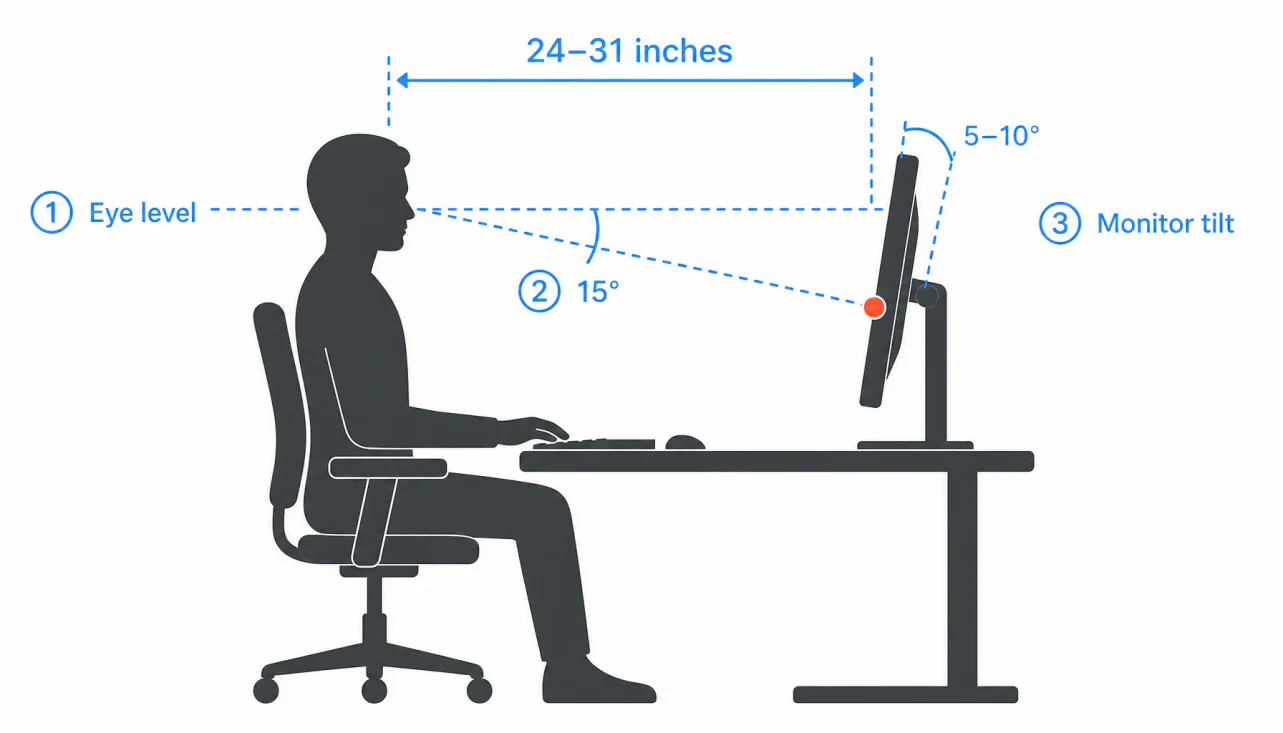
It is also worth remembering that no chair can solve every ergonomic challenge on its own. The chair should work as part of a complete workstation setup that includes appropriate monitor positioning, desk arrangement, and working habits.
By focusing on adjustability, support, comfort, and suitability for individual needs, employees and employers can make informed decisions when selecting ergonomic office seating. A properly chosen and adjusted chair can contribute significantly to workplace comfort and productivity.