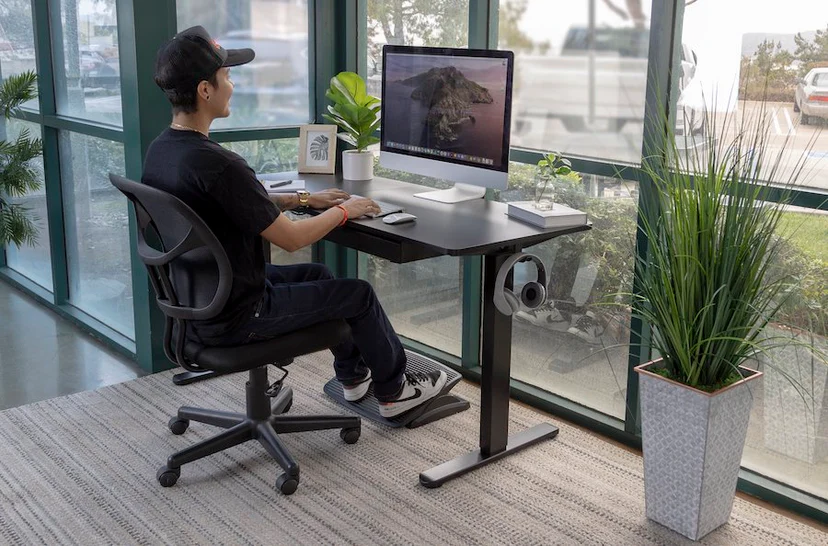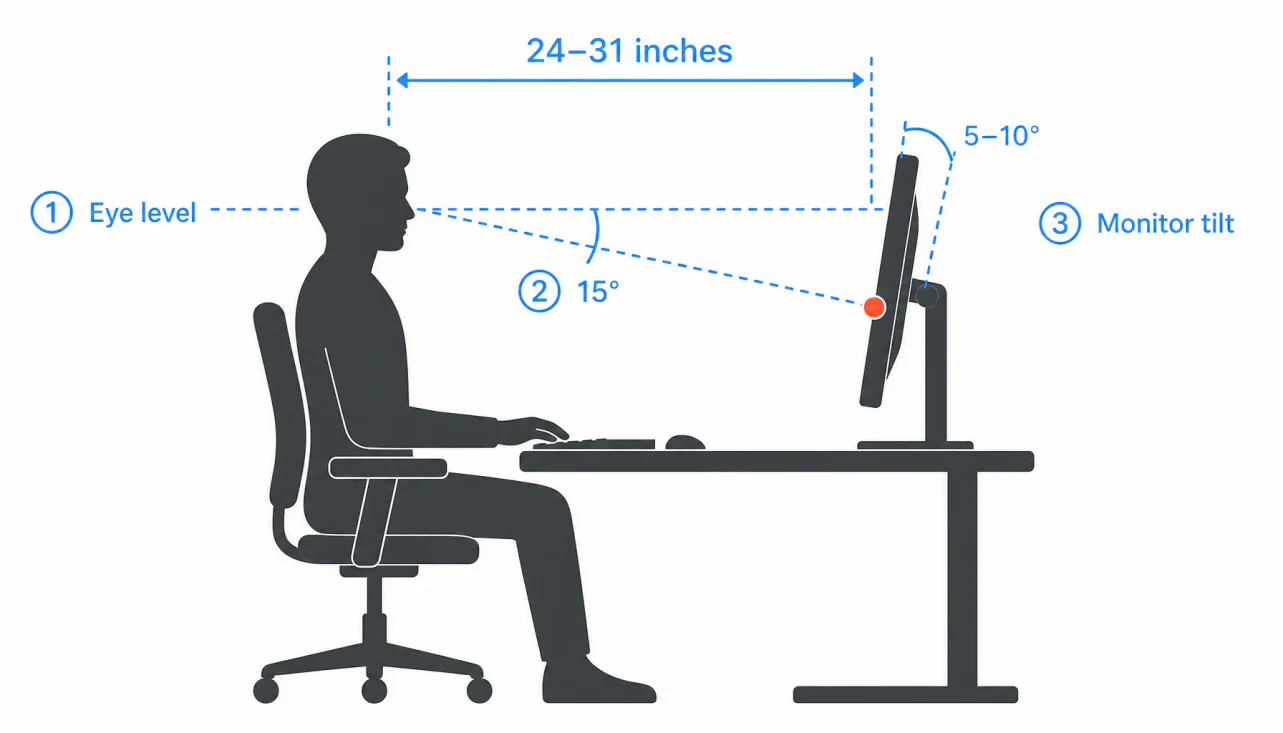
An ergonomic assessment is a structured evaluation of an employee’s workstation, equipment, and working habits to ensure that the environment supports comfort, efficiency, and long-term health. The goal is to identify factors that may contribute to discomfort, fatigue, or musculoskeletal issues and recommend practical improvements that help employees work safely and productively.
Many people assume ergonomic assessments are only necessary after pain develops, but they can be valuable as a preventative measure. Small issues such as an incorrectly positioned monitor, poor chair support, or an awkward keyboard setup can gradually lead to neck strain, shoulder tension, wrist discomfort, and lower back pain. Identifying these problems early can help prevent more serious concerns in the future.
An employee may benefit from an ergonomic assessment when they experience recurring discomfort during or after work, particularly in the neck, shoulders, back, wrists, or arms. Assessments are also useful when an employee changes roles, relocates to a new workstation, begins hybrid working, or returns to work following an injury. In these situations, ensuring the workstation matches the employee’s specific needs can significantly improve comfort and performance.
The assessment process typically involves reviewing workstation layout, seating position, screen height, desk arrangement, and work patterns. Recommendations may include adjusting existing equipment, changing work habits, or introducing ergonomic accessories where necessary. In many cases, substantial improvements can be achieved without major investment.
A well-conducted ergonomic assessment benefits both employees and employers. Employees gain a more comfortable working environment, while organisations can support wellbeing, reduce discomfort-related absences, and encourage greater productivity. As workplaces continue to evolve, ergonomic assessments remain an important tool for creating healthier and more effective working environments.