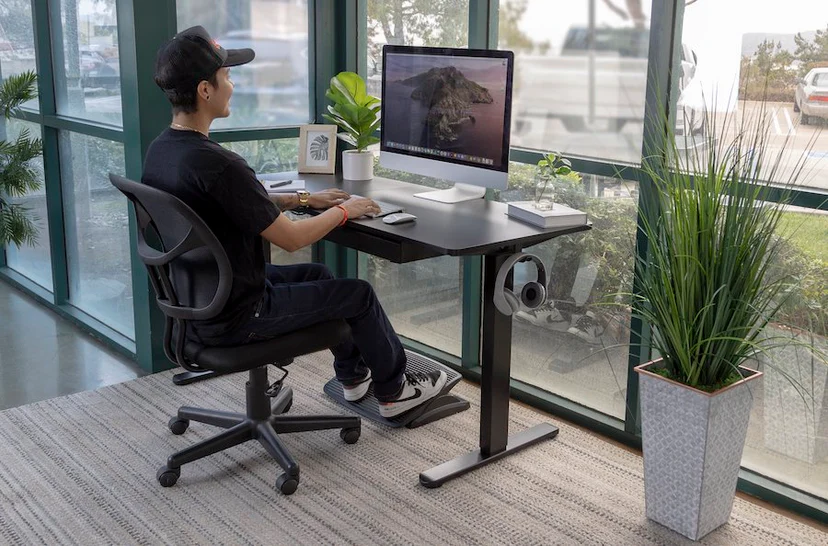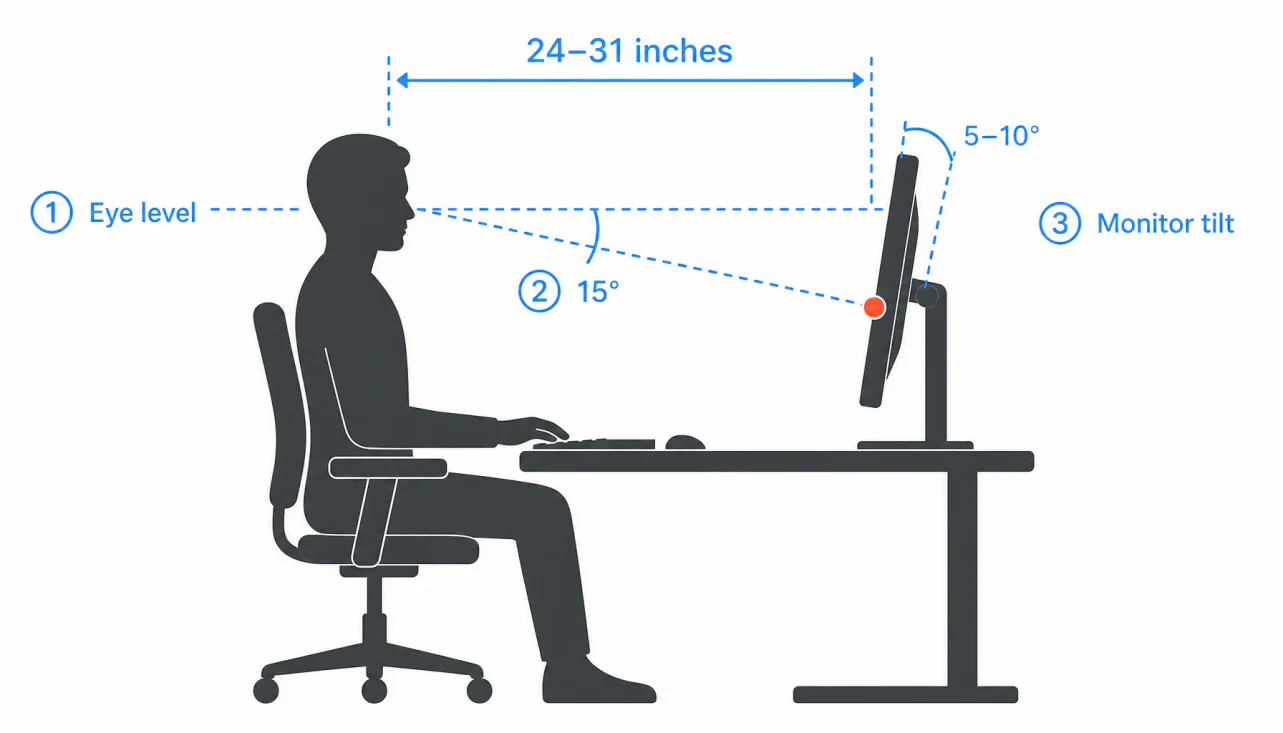
Human Resources professionals play an important role in supporting employee wellbeing, and workplace ergonomics is a key part of that responsibility. While ergonomics is often associated with equipment and workstation design, it ultimately focuses on creating working environments that enable employees to perform comfortably, safely, and effectively.
One of the most important steps HR managers can take is ensuring that ergonomic considerations form part of workplace policies and employee onboarding processes. Educating staff about correct workstation setup and healthy working habits can help prevent discomfort before it develops into a larger issue.
HR teams should also establish clear procedures for reporting discomfort or workstation concerns. Employees may hesitate to raise issues until symptoms become significant, making early intervention especially valuable. Encouraging open communication helps organisations address problems promptly and demonstrate a commitment to employee wellbeing.
The growth of remote and hybrid working has created new challenges for HR departments. Employees may now work across multiple locations with varying workstation conditions. As a result, ergonomic assessments and guidance should extend beyond the traditional office environment.
Regular workstation reviews, access to ergonomic resources, and collaboration with health and safety professionals can further strengthen an organisation’s approach. HR managers should also recognise that ergonomic support benefits more than physical health. Comfortable employees are often better able to focus, engage with their work, and maintain productivity throughout the day.
By integrating ergonomics into broader wellbeing strategies, HR professionals can help create positive workplace experiences while supporting both employee satisfaction and organisational success.