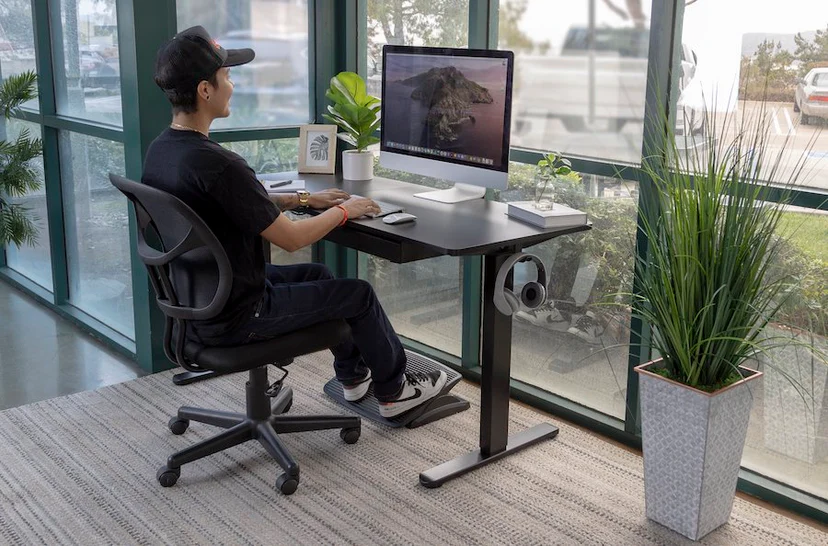
When organisations seek to improve workplace ergonomics, the focus often turns immediately to equipment. Ergonomic chairs, adjustable desks, monitor arms, and specialist accessories are frequently viewed as the solution to employee discomfort. While equipment can certainly play an important role, it is only one part of an effective ergonomic strategy. Good ergonomic advice is often equally valuable and, in some cases, more impactful than purchasing new equipment.
Ergonomic equipment is designed to support better working postures and reduce physical strain. Adjustable chairs, for example, allow users to customise seating positions, while monitor stands can help position screens at appropriate heights. These tools provide flexibility and support, but their effectiveness depends largely on how they are used.
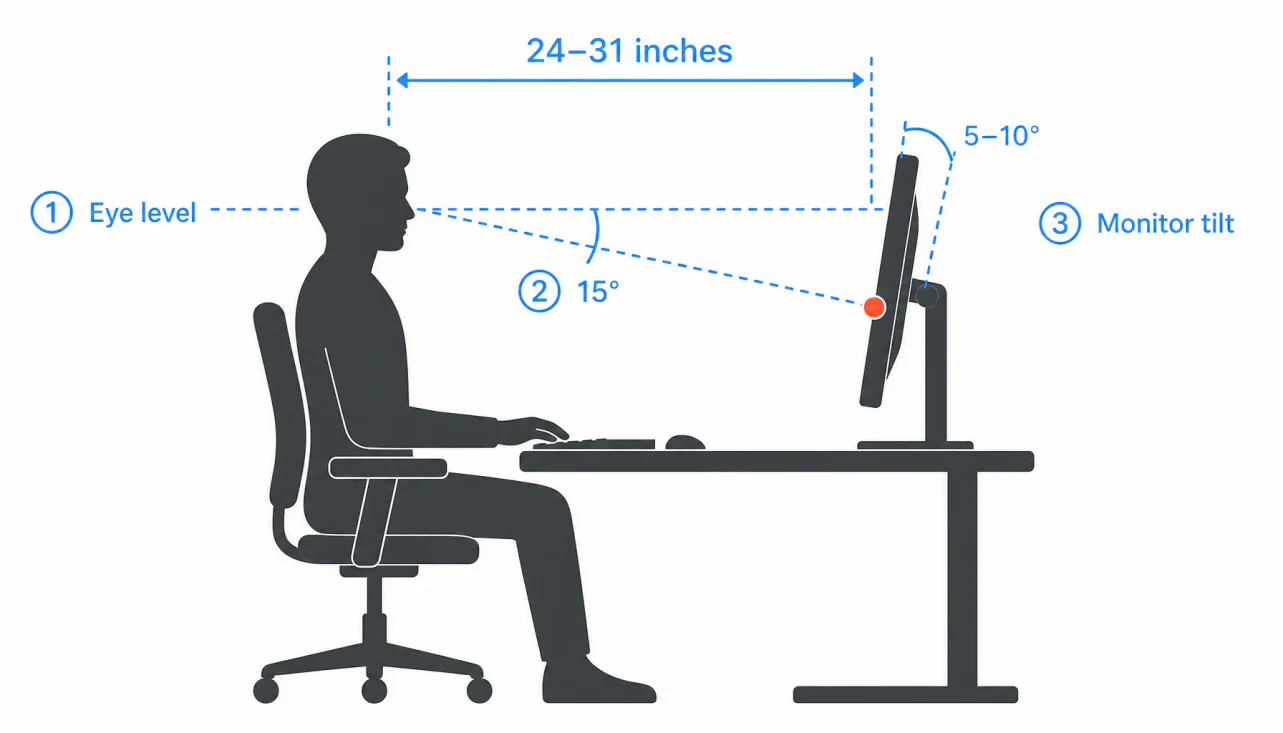
This is where ergonomic advice becomes essential. Even the most advanced workstation equipment cannot deliver its full benefits if employees are unaware of how to adjust or use it correctly. Many cases of discomfort stem from simple issues such as poor monitor placement, incorrect chair adjustments, or prolonged static postures rather than the quality of the equipment itself.
Professional ergonomic guidance helps employees understand how to optimise their existing workspaces. Recommendations often include workstation adjustments, posture improvements, movement strategies, and practical habits that support comfort throughout the working day. In many situations, these changes can significantly improve wellbeing without requiring additional purchases.
The most effective ergonomic programmes combine appropriate equipment with expert advice. Equipment provides the tools, while guidance ensures those tools are used effectively. By focusing on both aspects, organisations can create work environments that support employee comfort, productivity, and long-term health.