As remote and hybrid working continue to evolve, organisations increasingly require flexible ways to support employee wellbeing regardless of location. Remote ergonomic assessments have emerged as an effective solution, allowing employees to receive professional workstation guidance without requiring an in-person visit.
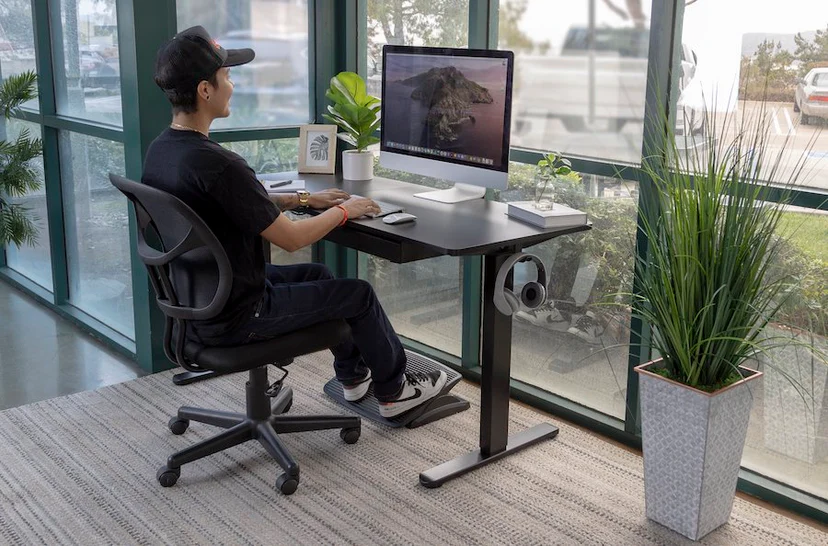
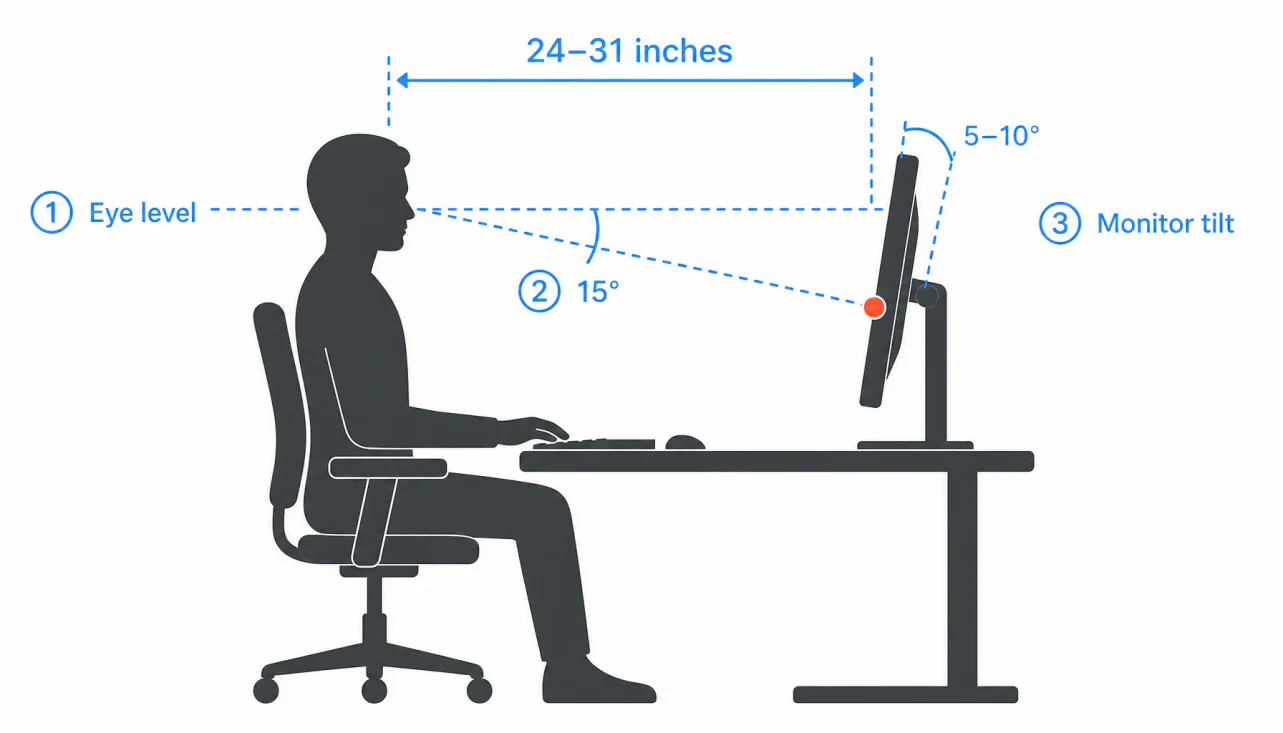
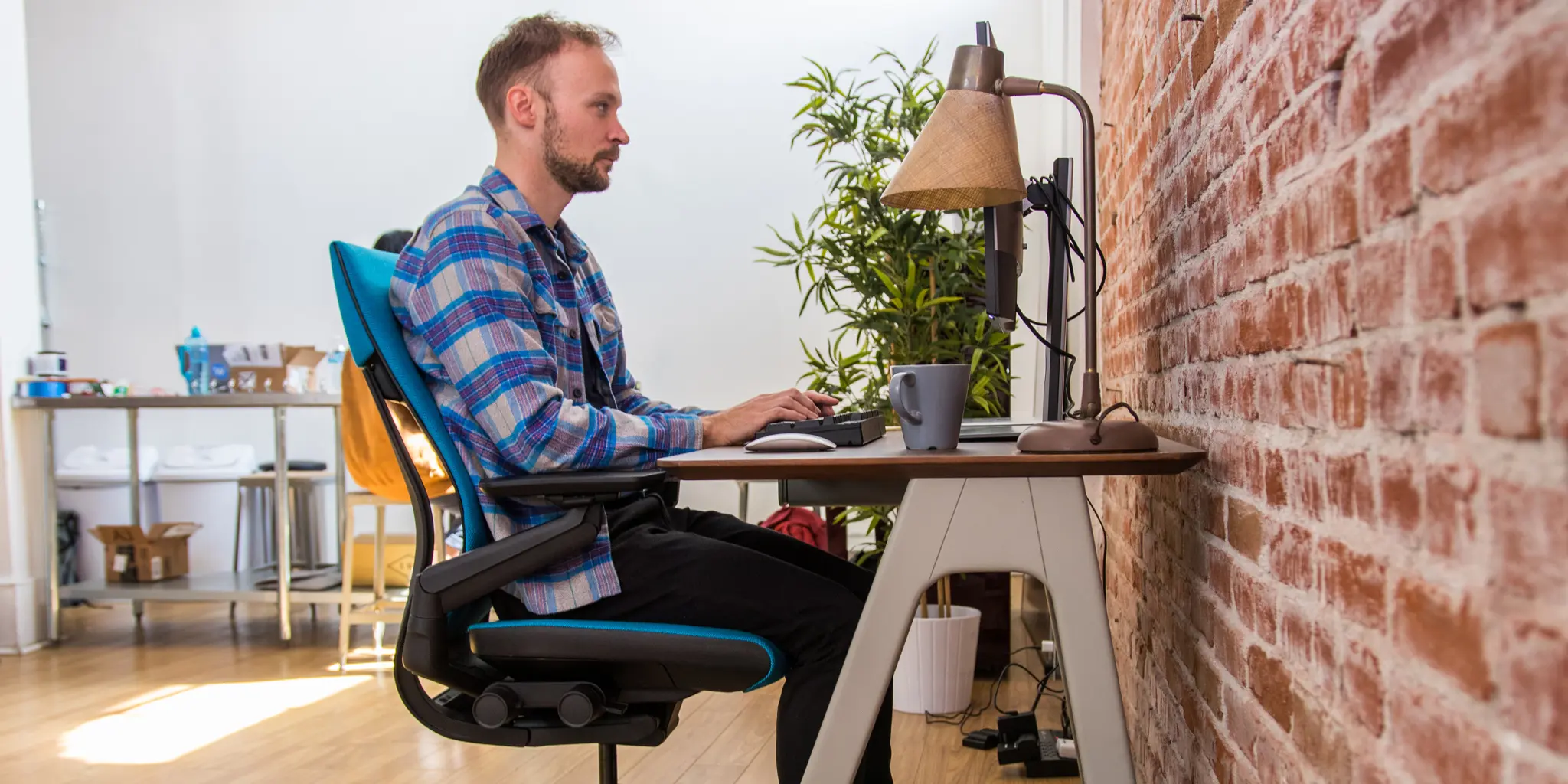
A remote ergonomic assessment typically takes place through a video call or virtual consultation. During the session, the assessor reviews the employee’s workstation setup, including seating arrangements, monitor placement, desk layout, keyboard positioning, and general working environment. Employees may be asked to demonstrate their typical working posture and daily work routines.
The primary goal is to identify factors that could contribute to discomfort or reduced productivity. Common issues such as poorly positioned monitors, inadequate chair adjustments, limited desk space, or unsuitable laptop use can often be identified and addressed during the consultation.
One of the major advantages of remote assessments is accessibility. Employees can receive expert advice regardless of where they work, making the process particularly beneficial for distributed teams and organisations with hybrid working arrangements. Assessments are also typically more flexible and can often be scheduled with minimal disruption to daily operations.
Following the assessment, employees usually receive practical recommendations tailored to their specific needs. These may include workstation adjustments, posture guidance, equipment suggestions, or strategies to encourage regular movement throughout the day. In many cases, meaningful improvements can be achieved using existing equipment.
Remote ergonomic assessments demonstrate that effective workplace support is no longer limited to traditional office environments. By providing employees with expert guidance wherever they work, organisations can continue promoting comfort, wellbeing, and productivity across increasingly flexible working models.