Many employees spend several hours each day sitting at a desk, yet office chair setup is often overlooked. While people may focus on monitors, keyboards, and desk accessories, the chair forms the foundation of workstation comfort and can significantly influence posture, wellbeing, and productivity.
An improperly adjusted chair can place unnecessary strain on the body. When the seat height is incorrect, employees may find themselves reaching upward toward the desk or placing excessive pressure on their legs. Poor lumbar support can encourage slouching, increasing stress on the lower back and contributing to discomfort over time. Similarly, armrests that are too high or too low may create tension in the shoulders and upper body.
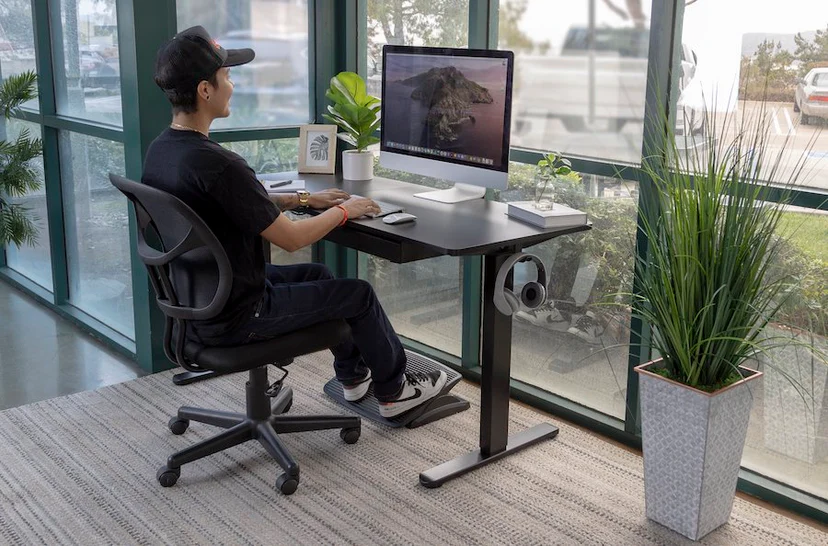
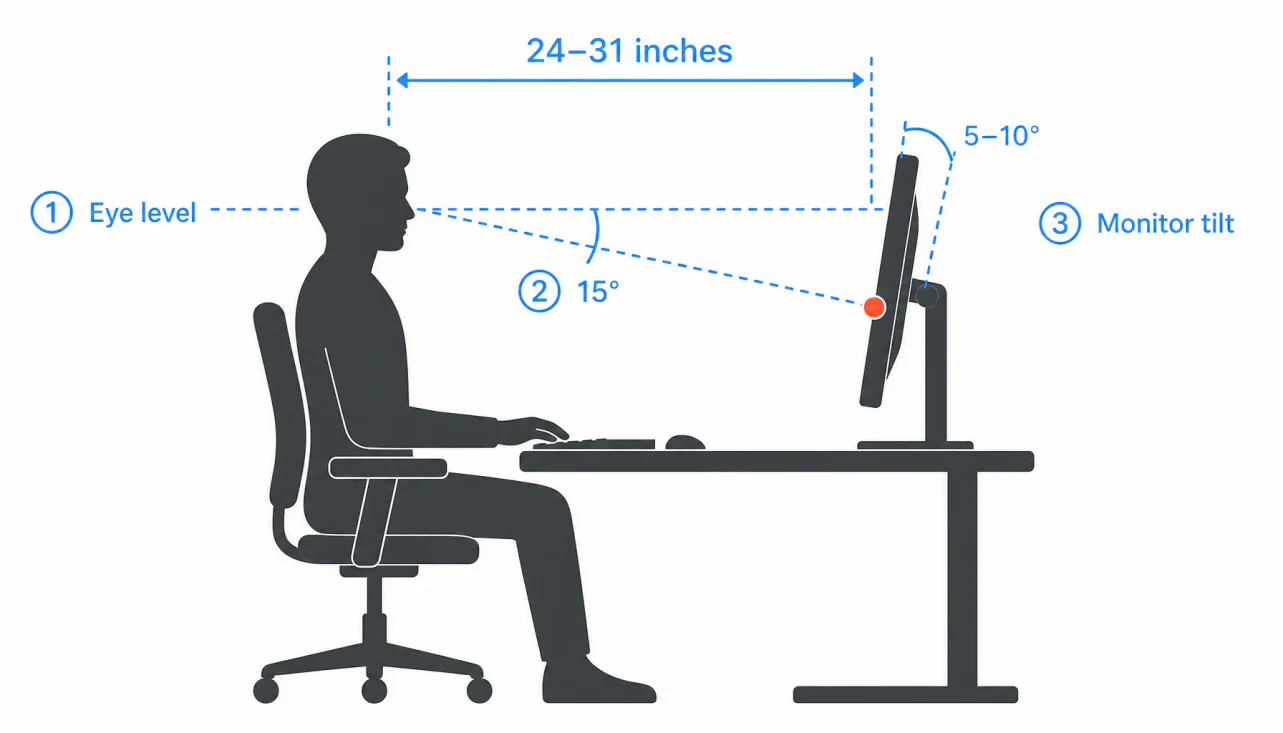
A properly adjusted office chair helps maintain a neutral working posture. Ideally, feet should rest comfortably on the floor, knees should be positioned at approximately a right angle, and the lower back should receive adequate support from the chair’s lumbar feature. Armrests should allow the shoulders to remain relaxed while supporting the arms during desk-based tasks.
Comfort is not the only benefit. Employees who are seated correctly often experience reduced fatigue and greater concentration throughout the working day. Small adjustments can improve circulation, support natural posture, and reduce the likelihood of discomfort developing during prolonged periods of sitting.
Importantly, an expensive chair does not automatically guarantee good ergonomics. Even high-quality chairs require proper adjustment to suit the individual user. Understanding how to configure seat height, backrest position, armrests, and lumbar support is often more valuable than simply purchasing new equipment.
Investing time in chair setup is one of the simplest and most effective ways to improve workstation ergonomics. By ensuring seating supports the user properly, organisations can help employees work more comfortably, efficiently, and confidently throughout the day.