Neck and shoulder discomfort are among the most common complaints reported by office workers. Although many people associate these issues with long working hours, the underlying causes are often linked to workstation setup and working habits rather than the duration of screen time alone.
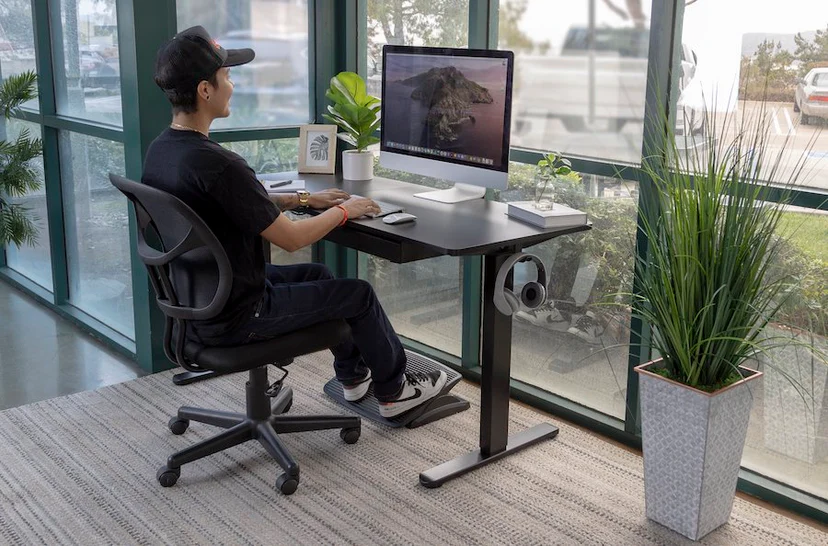
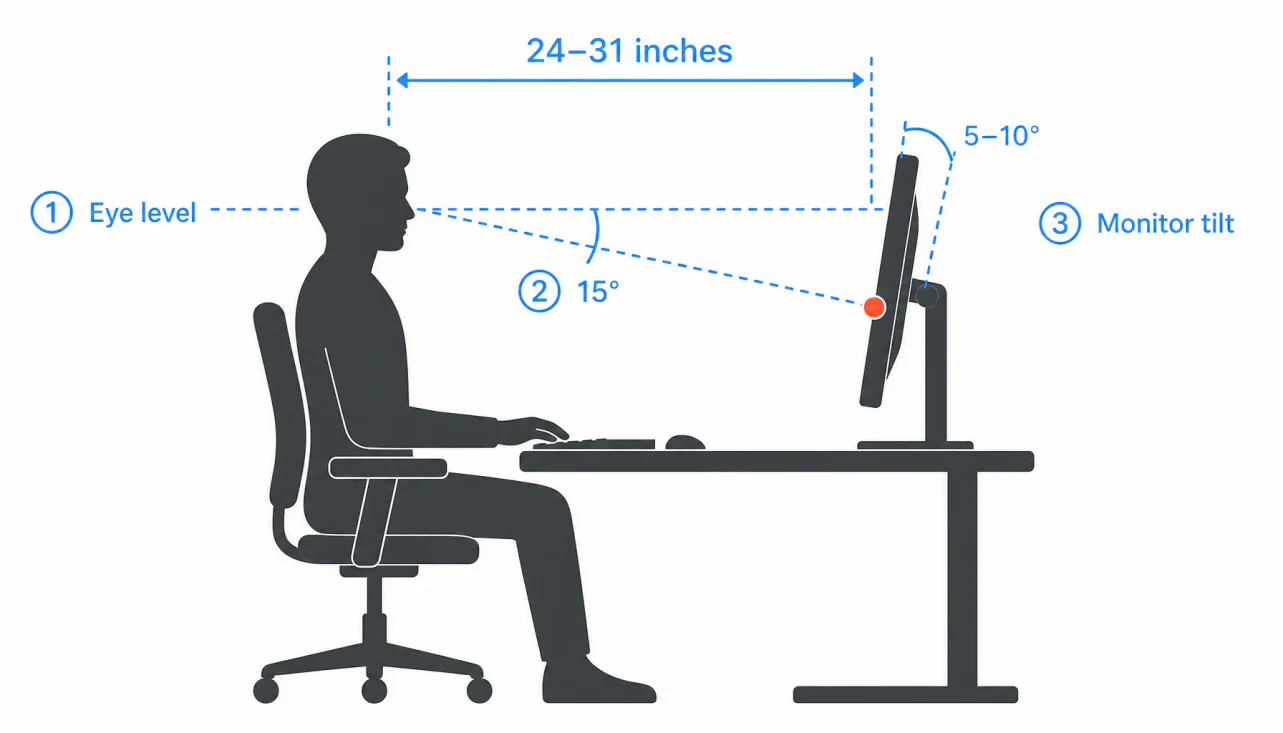
One of the most frequent causes is poor monitor positioning. When a screen is too low, too high, or positioned off to one side, employees may unconsciously adopt awkward postures that place additional strain on the neck and shoulders. Over time, these small adjustments can lead to persistent discomfort and muscle tension.
Another common factor is keyboard and mouse placement. If these devices are positioned too far away from the body, employees may reach forward repeatedly throughout the day. This can increase tension in the shoulders and upper back while placing unnecessary stress on the arms and wrists.
Chair setup also plays an important role. A lack of proper back support can encourage slouching, causing the head and shoulders to move forward. This posture increases the workload on muscles responsible for supporting the neck and upper body. Even slight deviations from a neutral posture can become problematic when maintained for long periods.
Stress and workload pressures may also contribute to muscular tension. Employees often hold their shoulders in a raised position during periods of concentration or stress without realising it. Combined with poor workstation ergonomics, this can worsen discomfort significantly.
Fortunately, many causes of neck and shoulder discomfort can be addressed through relatively simple adjustments. Improving monitor height, positioning equipment correctly, adjusting seating, and encouraging regular movement breaks can all contribute to a more comfortable working experience. Early intervention is often the most effective way to prevent minor discomfort from developing into a more significant issue.